

GLP-1 Dietitian in Wilmington, NC
Your GLP-1 Turns Down the Hunger. We Make Sure You’re Still Getting the Nutrition.
GLP-1 medications like semaglutide (Ozempic, Wegovy) and tirzepatide (Mounjaro, Zepbound) can quiet food noise and change how much you want to eat. But eating less doesn’t automatically mean eating well. Many people on a GLP-1 struggle to get enough protein, fiber, and fluids, deal with nausea or constipation, and worry about losing muscle or regaining weight later. At Family Nutrition Solutions, our registered dietitians build a plan that works with your medication, so you feel better now and keep your results for the long term. Available in person in Wilmington, NC and virtually across North Carolina.

The Medication Is One Tool. Nutrition Is What Makes It Work.
You’re barely eating, and you’re not sure it’s enough
When your appetite drops, it’s easy to skip meals or live on a few bites. We help you build simple, small meals that still cover your protein, fiber, and nutrient needs.
Protecting muscle while you lose weight
Some of the weight lost on a GLP-1 can come from muscle. We set protein targets and pair your plan with strength-friendly habits so more of what you lose is fat.
Nausea, constipation, or reflux
Side effects are common, especially as your dose increases. We adjust meal size, timing, food choices, fiber, and fluids to help you feel better.
Starting, changing doses, or coming off the medication
Each stage asks something different of your eating. We plan for transitions, including how to keep your results if you stop or taper.
Blood sugar, PMOS/PCOS, or other metabolic goals
Many patients take a GLP-1 for type 2 diabetes, prediabetes, insulin resistance, or PMOS/PCOS. We connect your eating to the labs and goals your doctor is tracking.
Your relationship with food is changing
Less hunger can bring up mixed feelings about food, your body, and old dieting habits. We help you build a steady, positive relationship with eating that lasts beyond the medication.
A Smaller Appetite Still Needs Full Nutrition
A GLP-1 changes how much you eat, so every meal has to do more of the work. Your dietitian looks at your medication and dose, side effects, current eating, labs, activity, and goals. Then we build a practical plan: protein-forward meals sized for a smaller appetite, fiber and fluid strategies for digestion, and nutrient-dense foods to fill common gaps. We also plan ahead, so your habits are strong enough to support you whether you stay on the medication or come off it someday. With your permission, we coordinate with your prescribing provider. For more, read our post What to Eat on a GLP-1.
GLP-1 Nutrition Support Is the Right Fit When:
“I started Wegovy and some days I only eat one meal. I know that can’t be good.”
We help you build small, simple meals and snacks that cover what your body needs, even on low-appetite days.
“I’m losing weight, but I feel weak and tired, and my hair is falling out.”
Low protein and nutrient gaps are common on a GLP-1. We find what’s missing and fix it.
“I’m scared that if I ever stop the medication, all the weight will come back.”
We build the eating habits now that help you keep your results, with or without the medication.
How We Work Together
Individualized GLP-1 nutrition counseling with a registered dietitian nutritionist, built around your medication, your appetite, and your goals.
Step 1 – Medication and Health History
Your first visit is 90 minutes. We review your medication, dose, side effects, current eating habits, and goals.
Step 2 – Labs Reviewed, Plan Built
At your second visit, we review your labs together and build your plan with protein and fiber targets, meal structure for a smaller appetite, and strategies for side effects.
Step 3 – Adjustments Through Every Stage
Follow-ups adjust your plan as your dose changes, track how you’re feeling, and prepare you for long-term maintenance.
Blood Sugar Blueprint – Group Program
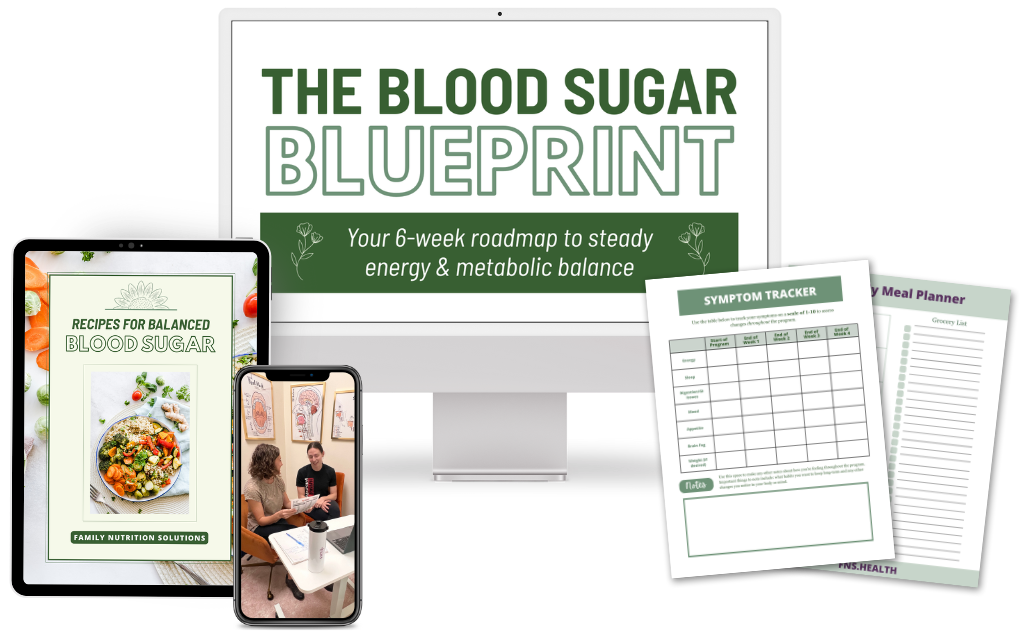
The Blood Sugar Blueprint is our 6-week group program for blood sugar and metabolic health. It’s a strong fit for GLP-1 patients who want structured support with blood sugar, meal timing, and habits that last beyond the medication.
- Six weeks of blood sugar and metabolic curriculum
- Weekly live coaching (virtual or in-person)
- Meal timing, protein, and blood sugar strategies that fit a smaller appetite
- Recipe guides and practical implementation tools
- Optional continuous glucose monitor (CGM) add-on
GLP-1 Nutrition Counseling May Be Covered by Your Insurance





We’re in-network with Blue Cross Blue Shield, Aetna (including Meritain Health and Aetna State Health Plans), Cigna, UnitedHealthcare, and UMR. Many plans cover nutrition counseling with a dietitian, sometimes as preventive care with no copay, but coverage depends on your specific plan and the reason for your visit. After you schedule and complete your intake forms, we run a free benefits check and let you know what we find before your first visit. No referral is needed to schedule. Learn more on our Insurance page.

Free Blood Sugar Quiz
Not sure how your blood sugar is doing? Take our free Blood Sugar Quiz to see whether blood sugar may be playing a role in your energy dips, cravings, or other symptoms.
Frequently Asked Questions
Do I need to see a dietitian if I'm on a GLP-1?
It isn’t required, but it helps. Eating much less makes it easier to fall short on protein, fiber, fluids, and key nutrients. A dietitian helps you meet those needs, manage side effects, and protect muscle.
How much protein do I need on a GLP-1?
It depends on your body size, activity, and health history. We set a target that fits you and show you how to reach it with a smaller appetite.
What can I eat to help with nausea or constipation?
Smaller meals, slower eating, avoiding very greasy or rich foods, and steady fiber and fluids often help. We tailor the plan to your symptoms, safely increase fiber, and let your prescriber know if side effects stay severe.
Will I lose muscle on a GLP-1?
Some lean mass loss can happen with any significant weight loss. Enough protein and regular strength training are the two biggest ways to protect muscle, and we build both into your plan.
What happens if I stop my GLP-1?
Research shows many people regain weight after stopping. Building strong eating habits while you’re on the medication gives you the best chance of keeping your results, and we help you plan any taper with your prescriber.
Can you prescribe a GLP-1?
No. Our dietitians don’t prescribe medication. We work alongside the provider who does, and we can see you whether you’re thinking about starting, already on one, or coming off.
Why see a registered dietitian for GLP-1 nutrition?
Eating well on a GLP-1 means balancing protein, fiber, fluids, side effects, and long-term habits, and a registered dietitian is the licensed provider trained for this clinical work. In North Carolina, “nutritionist” is a protected title: only licensed providers can use it or provide medical nutrition therapy. Every provider who sees patients at FNS is either licensed in North Carolina, as a licensed dietitian/nutritionist (LDN) or licensed nutritionist (LN), or practicing under the supervision of a licensed dietitian on our team. Our licensed providers have graduate-level training, supervised clinical practice, and a national board exam behind them, so you’re working with licensed nutrition providers, not a health coach or an unlicensed nutritionist.
Do you work with people who aren't trying to lose weight?
Yes. Many patients take a GLP-1 for blood sugar, PMOS/PCOS, or other health reasons. Your plan is built around your goals.
Do I need a referral?
No referral is needed to schedule. If your insurance plan requires one, we’ll help you get it.
The Medication Changes Your Appetite. Your Plan Should Change With It.
Get a nutrition plan built around your GLP-1, your goals, and your daily life, so you feel good now and keep your results for the long term.
- 1:1 COUNSELING - HOW IT WORKS