

High Cholesterol Dietitian in Wilmington, NC
High Cholesterol Isn’t Just About What You Eat. But What You Eat Matters More Than Most Plans Acknowledge.
At Family Nutrition Solutions, our registered dietitians in Wilmington, NC build cholesterol management plans that address the actual drivers of your lipid pattern – looking at your full lipid panel, not just total cholesterol, and building a plan that produces measurable improvement.
Available in-person in Wilmington, NC and virtually across North Carolina.

Cholesterol Management Is Built on the Actual Drivers – Not Dietary Myths
Elevated LDL cholesterol
Low HDL cholesterol
Elevated triglycerides
Mixed dyslipidemia – multiple abnormal values
When LDL, HDL, and triglycerides are all out of range, the nutritional approach is multifactorial and requires careful prioritization. We build accordingly, addressing the components most responsive to dietary change first.
Familial hypercholesterolemia or strong family history
Familial hypercholesterolemia is a genetic condition that causes very high LDL from birth regardless of diet. Nutritional intervention still matters – it reduces overall cardiovascular risk – but the goals and expectations are calibrated differently than for lifestyle-driven dyslipidemia.
A statin prescription you want to complement with diet
Cholesterol is a Marker. We Treat What’s Driving It.
The most common mistake in cholesterol management is focusing exclusively on dietary fat while ignoring the carbohydrate, fiber, and metabolic factors that drive lipid levels. We look at your full lipid panel, your metabolic labs, your dietary pattern, and your cardiovascular risk picture – and build a plan that moves the numbers that matter most.
We understand the difference between total cholesterol, LDL, HDL, triglycerides, and advanced lipid markers like lipoprotein(a) and apolipoprotein B – and we build your plan accordingly. For patients on statins, we also address the dietary factors that support medication tolerability and reduce associated metabolic risk. We work alongside your cardiologist or primary care physician throughout.
Cholesterol and cardiovascular nutrition appointments are available in Wilmington, NC and virtually throughout North Carolina.
High Cholesterol Nutrition Support Tends to be the Right Fit When:
“My doctor wants to put me on a statin. I want to try diet first.”
For many patients, dietary intervention alone can achieve sufficient LDL reduction – particularly when addressed aggressively and specifically. We give you the best chance of success before medication becomes necessary.
“I’m already on a statin and my LDL is controlled, but my triglycerides are still high, and my HDL is low.”
Statins lower LDL effectively but have limited impact on triglycerides and HDL. These components of the lipid panel respond to specific dietary interventions that medication doesn’t address – and diet can also help manage the metabolic side effects some patients experience on statins.
“I eat well. I don’t understand why my cholesterol is high.”
Genetics, thyroid function, insulin resistance, and dietary patterns you might not associate with cholesterol – sugar, refined carbohydrates, certain fiber types – all affect lipid levels. We identify what’s driving yours.
How We Work Together
Targeted nutrition counseling for cholesterol management – looking at your full lipid panel and the dietary factors driving your numbers, not just saturated fat.
Step 1 – Lipid and Cardiovascular History
Your first visit is 90 minutes – we review your lipid history over time, family history, current medications, cardiovascular risk factors, and how your eating habits have evolved.
Step 2 – Labs Reviewed, Plan Built
At your second visit, we review your full lipid panel together – LDL, HDL, triglycerides, and advanced markers where available – alongside metabolic labs, and build your individualized cholesterol management plan from what we find.
Step 3 – Lipid Trend Monitoring
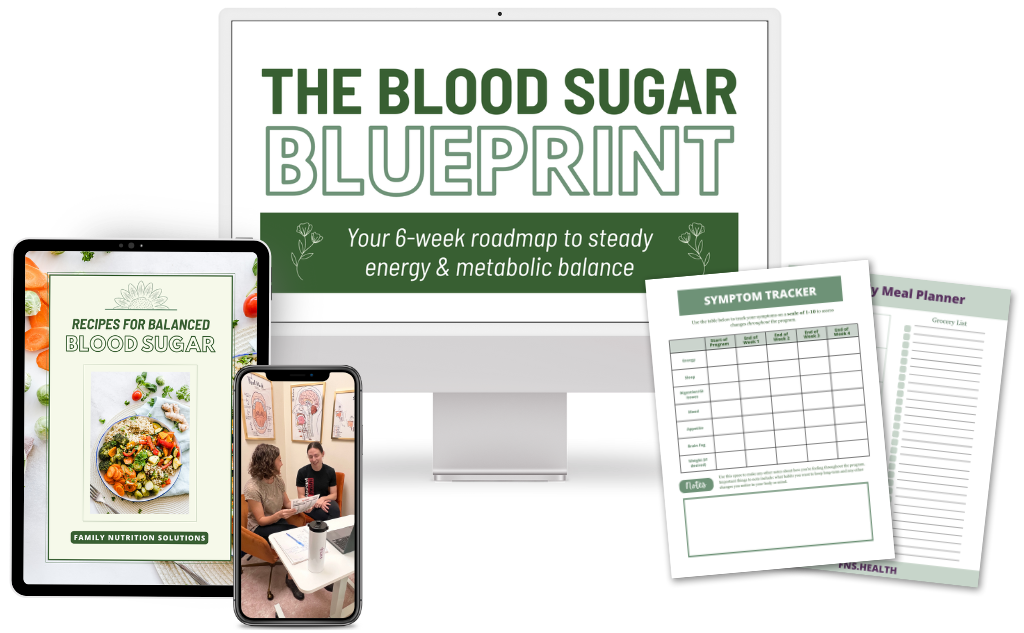
Blood Sugar Blueprint – Group Program
The Blood Sugar Blueprint is our 6-week group program for metabolic stabilization – relevant when elevated triglycerides or underlying insulin resistance is a primary driver of your lipid pattern.
- Six-week curriculum covering metabolic and cardiovascular nutrition
- Weekly live coaching sessions (virtual or in-person)
- Carbohydrate, fat, and fiber strategies for lipid management
- Recipe guides and practical implementation tools
- Optional continuous glucose monitor (CGM) add-on
Cholesterol Nutrition Counseling is Covered by Most Major Insurance Plans
High cholesterol nutrition counseling is covered by most major plans as Medical Nutrition Therapy for cardiovascular risk – one of the most consistently covered indications across insurance carriers. We verify your specific benefits before your first appointment.
Meritain Health runs under Aetna; UMR runs under UnitedHealthcare. Coverage applies regardless of whether you see a registered dietitian or a Certified Nutrition Specialist (CNS) on our team.
Frequently Asked Questions
What dietary changes lower LDL cholesterol most effectively?
The strongest evidence supports increasing soluble fiber (oats, legumes, psyllium), replacing saturated fat with unsaturated fats – particularly oleic acid from olive oil and nuts – including plant sterols and stanols, and reducing refined carbohydrates. The effect of dietary cholesterol itself on blood cholesterol is modest and individually variable. We prioritize interventions based on your specific lipid pattern and dietary history.
Does eating eggs raise cholesterol?
For most people, dietary cholesterol from eggs has a modest and individually variable effect on LDL cholesterol – and reducing egg consumption does not reliably improve lipid levels. Saturated fat – from processed foods, fatty meats, and some dairy – has a much larger and more consistent impact on LDL than dietary cholesterol does. Focusing on egg reduction at the expense of addressing saturated fat and refined carbohydrates is a common misdirection in cholesterol management.
Can diet help when I'm already taking a statin?
Yes – in two important ways. First, dietary intervention and statin therapy work additively on LDL and cardiovascular risk, so diet can improve outcomes beyond what the statin achieves alone. Second, targeted nutrition can help manage risk factors associated with statin use – including blood sugar changes, which statins can elevate, and inflammatory markers. We build plans that address both the lipid picture and the metabolic effects of the medication.
How does a registered dietitian approach cholesterol differently from a general wellness provider?
No – you can schedule directly without a referral. We coordinate with your cardiologist or primary care physician once care begins, and any plan referral requirements are identified during your benefits check.
Does my cardiologist need to refer me before I can schedule?
No referral is required to make an appointment. If your plan requires one for nutrition counseling coverage, we identify that during your benefits check before the first visit.
What does the first cholesterol appointment cover?
A 90-minute intake covering your lipid history, family history, current medications, diet, and cardiovascular risk picture. Your actual lipid panel is reviewed at the second visit once we have the right labs in front of us.
Do I have to stop eating red meat entirely?
Almost certainly not – the impact of red meat on cholesterol is more nuanced and individually variable than older guidelines suggested. The dietary factors that move LDL most consistently are different from what most patients expect. We build from the actual evidence rather than blanket restrictions.
What foods lower triglycerides?
Triglycerides are primarily driven by excess refined carbohydrates, sugar, alcohol, and overall caloric surplus. Reducing these while increasing omega-3 fatty acids from fatty fish, flaxseed, and walnuts produces the most consistent triglyceride reduction. We build these strategies specifically into the plan when triglycerides are elevated.
High Cholesterol Responds to Nutrition. But not the Nutrition Advice You’ve Probably Already Heard.
Work with a Wilmington NC registered dietitian and nutritionist who looks at your full lipid panel and builds a cholesterol management plan around what’s driving your numbers. Available in-person in Wilmington, NC and virtually across North Carolina.