Endometriosis Is an Inflammatory Condition.
Nutrition Can Change the Inflammatory Environment.
Endometriosis causes tissue similar to the uterine lining to grow outside the uterus, driving chronic inflammation, pain, and – for many patients – a cascade of gut symptoms, fatigue, and hormonal disruption. There is no dietary cure for endometriosis. But the nutritional environment you create directly affects the inflammatory signaling that drives symptom severity.
At Family Nutrition Solutions, our registered dietitians in Wilmington, NC build anti-inflammatory nutrition plans for patients with endometriosis – addressing the inflammatory drivers, the gut symptoms that frequently co-occur, and the hormonal patterns that influence disease activity. Available in-person in Wilmington, NC and virtually across North Carolina.
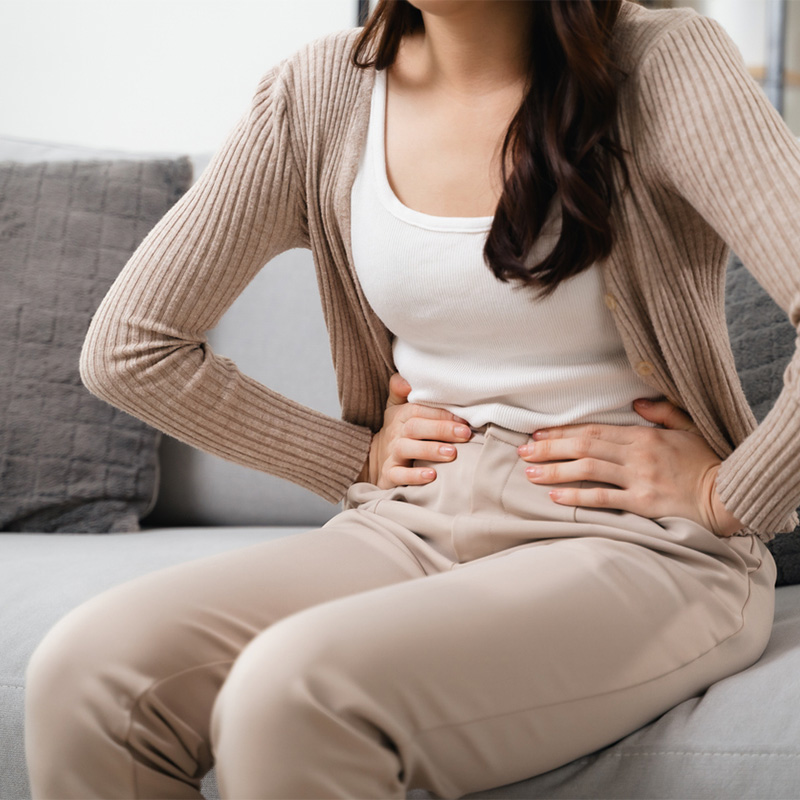
Endometriosis Affects More Than the Reproductive System
Chronic pelvic pain or pain that worsens around the menstrual cycle
Gut symptoms – bloating, cramping, or bowel changes – that flare with your cycle
Fatigue, brain fog, or low energy that doesn’t respond to rest
Chronic inflammation is metabolically expensive. Mitochondrial dysfunction, nutrient depletion, and inflammatory signaling all contribute to the fatigue pattern common in endometriosis. Targeted nutrition addresses these specifically.
Estrogen dominance or hormonal imbalance
Endometriosis is an estrogen-driven condition. Nutritional strategies that support estrogen clearance – through gut health, liver function, and fiber intake – can reduce the hormonal fuel that drives disease activity.
Post-surgical recovery and rebuilding nutritional status
Laparoscopic surgery depletes nutritional reserves and alters gut function. Post-surgical nutrition support helps rebuild micronutrient status and supports healing.
Managing endometriosis alongside fertility concerns
Nutritional optimization for endometriosis-related fertility requires specific attention to anti-inflammatory eating, mitochondrial support, and egg quality nutrition. We address these in coordination with your reproductive specialist.
Endometriosis Nutrition is Not About Restriction. It’s About Building an Anti-Inflammatory Foundation.
We understand the frustration of being handed a list of foods to eliminate without any explanation of why – or any evidence that it will work for you specifically. Endometriosis nutrition is more nuanced than a blanket elimination protocol.
We look at your inflammatory markers, your gut health, your hormonal pattern, and your current diet – and build a targeted plan that addresses the specific drivers of your symptoms. We work in collaboration with your gynecologist and any other members of your care team.
Endometriosis and anti-inflammatory nutrition appointments are available in Wilmington, NC and virtually across North Carolina.
Endometriosis Nutrition Support is Most Relevant When:
“I’ve heard diet can help endometriosis but nobody has ever told me specifically what to do.”
The anti-inflammatory diet for endometriosis is more than cutting out gluten and dairy. We build a specific, evidence-informed plan around your labs and your symptom picture.
“My endo symptoms are mostly managed with medication but I still feel terrible every day. My gut is a mess and I’m always exhausted.”
Medication can manage the structural symptoms of endometriosis without fully addressing the inflammatory and nutritional components. Gut health, energy, and daily quality of life often improve significantly with targeted nutritional work.
“I just had my second surgery and I want to do everything I can nutritionally to slow this disease down.”
Post-surgical nutritional rebuilding combined with an ongoing anti-inflammatory protocol is exactly where nutrition makes a meaningful contribution to disease management.
How We Work Together
Anti-inflammatory nutrition counseling for endometriosis – targeting the inflammatory drivers, gut health, and hormonal patterns that affect your symptoms and quality of life.
Step 1 – Endometriosis and Inflammation History
Your first visit is 90 minutes – we cover your full endometriosis history, surgical history, current symptoms, gut health, and the dietary approaches you’ve tried.
Step 2 – Labs Reviewed, Plan Built
At your second visit, we review your labs together – inflammatory markers, hormonal panel, nutrient status, and gut-related indicators – and build your individualized endometriosis nutrition plan from what we find.
Step 3 – Symptom-Tracking Follow-Up
Anti-inflammatory nutrition for endometriosis is cumulative – follow-ups track symptom changes across cycles, refine the inflammatory load strategy, and address new challenges as they arise.
Endometriosis Nutrition Counseling is Covered by Most Major Plans
Endometriosis nutrition counseling is covered by most major plans – we verify your specific benefits before your first appointment.


Meritain Health is underwritten by Aetna and UMR is underwritten by UnitedHealthcare – both are accepted under our in-network agreements.
Frequently Asked Questions
How does nutrition affect endometriosis?
Nutrition influences endometriosis through several pathways: reducing prostaglandin production (which drives pain), supporting estrogen clearance, reducing systemic inflammation, improving gut barrier function, and addressing the micronutrient depletions common in chronic inflammatory conditions. No single food causes or cures endometriosis, but the overall nutritional environment significantly affects symptom severity.
Should I eat gluten-free or dairy-free if I have endometriosis?
Some patients with endometriosis do experience symptom improvement with gluten or dairy reduction – particularly those with co-occurring gut symptoms or sensitivities. However, blanket elimination is not universally supported by evidence and is not appropriate for every patient. We assess whether specific eliminations are warranted for your individual presentation rather than applying a generic protocol.
Does insurance cover nutrition counseling for endometriosis?
Coverage varies – some plans cover it directly, others require a documented secondary diagnosis like IBS or iron deficiency anemia. Benefits are confirmed before your first appointment.
Why should I choose a registered dietitian for endometriosis nutrition support?
Endometriosis involves immune dysregulation, hormonal patterns, and gut health – areas that require clinical depth. A registered dietitian completes a graduate degree, supervised clinical internship, and national licensing exam. Nutritionist is a self-declared title in most states with no training requirements. Our practice includes CNSs (Certified Nutrition Specialists) as well. Both a registered dietitian and certified nutrition specialist can bill insurance.
Can I schedule without a referral from my gynecologist?
Yes – most patients come to us directly. We collaborate with your gynecologist or surgeon once care begins, and if your insurance needs a referral for coverage, we flag that before your first visit.
What will the first appointment involve for someone with endometriosis?
Ninety minutes covering your endometriosis history, surgical timeline, current symptoms including gut health, eating patterns, and supplement history. Labs are reviewed at visit two, not the first.
Will you tell me to eliminate specific foods?
Only if the evidence and your individual assessment support it. Blanket elimination lists are common in endometriosis communities but aren’t appropriate for every patient – we evaluate what’s warranted for your specific picture.
What nutrients are most important for endometriosis?
The nutrients with the strongest evidence in endometriosis management include omega-3 fatty acids (anti-inflammatory), magnesium (pain and muscle relaxation), vitamin D (immune and inflammatory regulation), zinc (hormonal balance), and antioxidants including vitamins C and E. We assess your status through labs and build supplementation and dietary strategies accordingly.
Can nutrition support fertility in endometriosis?
Yes. Anti-inflammatory eating, antioxidant support, and mitochondrial nutrition can support egg quality, implantation environment, and overall reproductive health in patients with endometriosis. We coordinate with your reproductive specialist when fertility is the goal.
Endometriosis Can’t be Cured with Food. But Nutrition Changes the Inflammatory Environment that Drives It.
Work with a Wilmington NC registered dietitian who specializes in endometriosis, inflammation, and hormonal health – building a plan that addresses the root drivers of your symptoms. Available in-person in Wilmington, NC and virtually across North Carolina.