

Perimenopause + Menopause – Family Nutrition Solutions
Perimenopause Changes the Rules. Your Nutrition Needs to Change With Them.
Perimenopause and menopause are not just hormonal events. They are metabolic transitions. Estrogen and progesterone shifts alter how your body regulates blood sugar, stores fat, builds and maintains muscle, manages inflammation, and absorbs key nutrients. What worked nutritionally in your thirties may stop working – not because you changed your behavior, but because your biology did.
At Family Nutrition Solutions, our registered dietitians in Wilmington, NC specialize in perimenopause and menopause nutrition – building plans that account for the metabolic shifts underway and support long-term health through the transition and beyond. Available in-person in Wilmington, NC and virtually across North Carolina.

The Metabolic Transition Is Real – and Nutritionally Addressable
Weight gain – particularly around the midsection – despite no changes in eating
Sleep disruption, hot flashes, or night sweats
Nutritional patterns significantly affect the frequency and severity of vasomotor symptoms. Blood sugar stability, phytoestrogen intake, and specific micronutrient status all play roles that are often underutilized.
Mood changes, anxiety, or brain fog
Estrogen influences serotonin, dopamine, and GABA pathways – neurotransmitters that affect mood, cognition, and anxiety. Nutritional support for these pathways doesn’t replace hormone therapy when indicated, but it meaningfully affects the baseline.
Bone density concerns or osteoporosis risk
Estrogen protects bone density. During perimenopause and after menopause, bone loss accelerates. Calcium, vitamin D, magnesium, and protein intake become more critical – and the right amounts and forms matter more than most patients realize.
Cardiovascular risk changes
Muscle loss and changes in body composition
Protein requirements increase during perimenopause and menopause – and the timing and distribution of protein intake matters more for muscle maintenance than it did earlier in life. We build this into the plan specifically.
Perimenopause is Not a Reason to Eat Less. It’s a Reason to Eat Differently.
The standard advice during perimenopause – eat less, exercise more, cut carbs – misses the point. The metabolic changes underway require targeted adjustments to protein intake, carbohydrate timing, micronutrient priority, and eating patterns that support rather than fight the hormonal shift.
We review your labs – hormonal panel, lipids, inflammatory markers, bone-related nutrients, and blood sugar – and build a plan that addresses the specific metabolic changes your body is navigating. We work alongside your gynecologist or hormone specialist when indicated.
Perimenopause and menopause nutrition appointments are available in person in Wilmington, NC and virtually throughout North Carolina.
Perimenopause and Menopause Nutrition Support Tends to Be the Right Fit When:
“I’m doing everything the same as I always have and my body is completely different. I don’t recognize it.”
The metabolic shift during perimenopause is real and significant. The eating patterns that maintained your health for decades may not be sufficient anymore – not because you’re doing something wrong, but because the rules changed.
“I’m 52 and I’ve gained 15 pounds in two years without changing anything. My doctor says it’s hormones but didn’t tell me what to do about it.”
We tell you what to do about it – specifically, based on your labs and your metabolic picture.
“I’m on hormone replacement therapy and my symptoms are better, but I’m still not feeling right. What else can I do nutritionally?”
Hormone replacement therapy and nutrition work together, not in place of each other. Many patients on hormone replacement therapy see significant additional improvements when nutrition is specifically addressed alongside it.
How We Work Together
Nutrition counseling specifically designed for the metabolic transition of perimenopause and menopause – addressing what your body needs now, not what worked ten years ago.
Step 1 – Hormonal and Metabolic History
Your first session is 90 minutes – we cover your hormonal history, symptom timeline, metabolic lab trends, current medications including HRT if applicable, and your current eating patterns.
Step 2 – Labs Reviewed, Plan Built
At your second visit, we review your labs together – hormonal panel, lipids, inflammatory markers, bone-related nutrients, blood sugar, and vitamin D – and build your individualized perimenopause or menopause nutrition plan from what we find.
Step 3 – Transition-Phase Adjustments
The metabolic changes of perimenopause and menopause unfold over years – follow-ups adjust protein, carbohydrate, and micronutrient strategies as your body continues to shift.
Blood Sugar Blueprint – Group Program
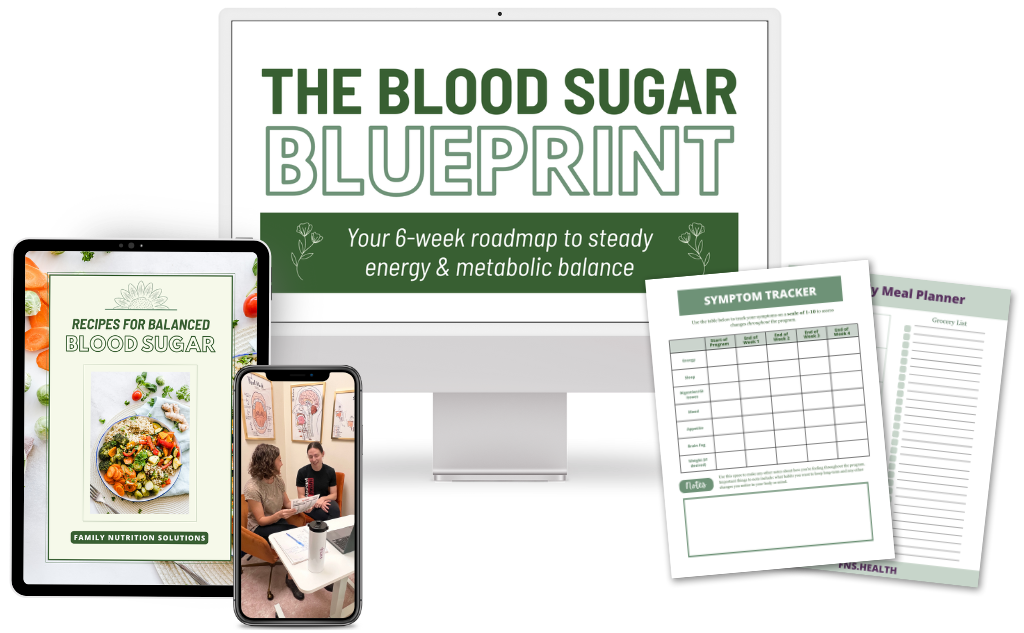
The Blood Sugar Blueprint is our 6-week group program for metabolic and blood sugar stabilization – particularly relevant during perimenopause, when declining estrogen reduces insulin sensitivity and shifts glucose patterns.
- Six weeks of blood sugar and metabolic transition curriculum
- Weekly live group coaching (virtual or in-person)
- Strategies for insulin sensitivity, muscle support, and meal timing in menopause
- Practical food tools and recipe guides
- Optional CGM add-on for real-time glucose insight
- Let us know you are interested in the Blueprint when you book.
Menopause Nutrition Counseling is Covered by Most Major Insurance Plans



UMR (a UnitedHealthcare company) and Meritain Health (an Aetna company) are both covered under our in-network agreements.
Frequently Asked Questions
What changes most about nutrition needs during perimenopause?
The most significant shifts are: increased protein requirements for muscle maintenance, more deliberate calcium and vitamin D intake for bone health, attention to carbohydrate quality and timing as insulin sensitivity decreases, and anti-inflammatory eating patterns to address the increased cardiovascular and metabolic risk that comes with the hormonal transition.
Can food reduce hot flashes and vasomotor symptoms?
Nutritional strategies can reduce the frequency and severity of vasomotor symptoms for some patients. Phytoestrogens (found in soy, flaxseed, and legumes), blood sugar stability, caffeine and alcohol reduction, and specific micronutrient support have evidence for symptom reduction. The effect varies by individual. We build these strategies into the plan where appropriate.
Does insurance cover nutrition counseling for perimenopause or menopause?
Often yes – particularly when cardiovascular risk, bone health, or metabolic conditions are documented. We confirm your plan’s specific coverage before your first visit.
How is a registered dietitian different from a menopause wellness coach?
A registered dietitian is a licensed healthcare provider with a graduate degree, supervised clinical hours, and a national board exam – qualified to assess and treat medical nutrition conditions. Wellness coaching carries no standardized credential or clinical training requirement. Our team also includes CNSs (Certified Nutrition Specialists), a rigorous board credential. Both a registered dietitian and certified nutrition specialist can bill insurance.
Do I need my gynecologist or hormone specialist to refer me first?
No – you can schedule directly. We collaborate with your hormone specialist if you have one, and if your insurance requires a referral for coverage, we identify that before your first visit.
What does the first perimenopause or menopause appointment look like?
A 90-minute intake covering your hormonal history, symptom picture, current medications, metabolic lab history, and how your eating has changed (or hasn’t) through this transition. Labs are not reviewed at the first visit – that happens at appointment two.
Am I going to be told to eat less?
No – the standard advice to eat less during menopause is often counterproductive. The metabolic transition requires eating differently, not less. We build a plan around that distinction.
Should I take calcium supplements during menopause?
Calcium from food is preferable to supplementation when intake goals can be met through diet. When supplementation is needed, the form and timing matter – calcium carbonate requires food for absorption; calcium citrate does not. We assess your dietary calcium intake and make specific recommendations based on your needs, labs, and health history rather than a universal recommendation.
Perimenopause Changes How Your Body Works.
Your Nutrition Plan Should Reflect That.
Work with a Wilmington NC registered dietitian who specializes in perimenopause and menopause nutrition – building a plan around your labs, your hormonal picture, and what your body needs right now. Available in-person in Wilmington, NC and virtually across North Carolina.