

Hypertension Dietitian in Wilmington, NC
High Blood Pressure Is One of the Most Nutritionally Responsive Conditions There Is.
Hypertension – high blood pressure – is consistently and significantly affected by dietary patterns. The DASH diet has among the strongest evidence of any dietary intervention in medicine, and yet most patients with hypertension have never received specific guidance on how to implement it or adapt it to their actual life.
At Family Nutrition Solutions, our registered dietitians in Wilmington, NC build hypertension nutrition plans that go beyond “reduce sodium” – addressing the full dietary picture that influences blood pressure including potassium, magnesium, nitrates, body composition, and insulin resistance. Available in-person in Wilmington, NC and virtually across North Carolina.

Blood Pressure Responds to Nutrition in Specific, Measurable Ways
Stage 1 or Stage 2 hypertension with a goal of reducing medication
Dietary intervention produces clinically meaningful blood pressure reduction – often comparable to the effect of a single antihypertensive medication. We build the most evidence-based nutritional approach for your specific blood pressure pattern and goals.
Pre-hypertension or elevated blood pressure before a diagnosis
Dietary intervention in the pre-hypertension range prevents progression to hypertension in many patients. Acting before a diagnosis requires medication is significantly more effective than waiting.
Blood pressure that isn’t controlled despite medication
Medication-resistant hypertension is often partly driven by dietary factors – sodium intake, alcohol, insufficient potassium, or insulin resistance – that medication cannot fully compensate for. We address these specifically.
Hypertension alongside metabolic syndrome, diabetes, or kidney disease
When hypertension occurs alongside other metabolic conditions, dietary recommendations must account for all conditions simultaneously. We build plans that work across the full metabolic picture without creating conflicting restrictions.
Confusion about what sodium reduction does
Sodium management is more nuanced than most patients realize. Sodium sensitivity varies significantly between individuals – and reducing sodium too aggressively can itself increase blood pressure in some patients. We identify your specific drivers and calibrate the approach accordingly.
A family history of hypertension, stroke, or heart disease
Family history of cardiovascular disease is a reason to take blood pressure management seriously before a crisis. Preventive nutritional intervention is more effective than intervention after damage has occurred.
Sodium is Part of the Story. We Address the Whole Story.
The standard hypertension advice – reduce salt, lose weight, exercise more – is accurate but incomplete. The dietary approaches with the strongest evidence for blood pressure reduction include the DASH (Dietary Approaches to Stop Hypertension) dietary pattern, Mediterranean-style eating, increased potassium and magnesium intake, and strategies that address insulin resistance when it’s a contributing factor.
Sodium management is one tool among many – and the right target varies by patient. Some individuals are highly sodium-sensitive; others see limited blood pressure response to sodium reduction or see blood pressure rise when sodium drops too far. We calibrate the full dietary picture to your specific blood pressure pattern and physiology.
Hypertension and cardiovascular nutrition appointments are available in-person in Wilmington, NC and virtually across North Carolina.
Hypertension Nutrition Support is the Right Fit When:
“My doctor said my blood pressure is high and I need to change my diet. I don’t know how to eat for blood pressure specifically.”
That is exactly what we do. We translate the medical goal into a practical eating plan that fits your food preferences and your daily life.
“I’ve already cut my salt way down and my blood pressure is still elevated. What else can I do?”
Potassium, magnesium, nitrate-rich vegetables, body composition, and insulin sensitivity all affect blood pressure. There is almost certainly more leverage available – and in some cases, sodium reduction has gone further than it should.
“I’m on two blood pressure medications and I still can’t get below 140. I want to do everything nutritionally possible.”
Dietary intervention produces additive blood pressure reduction alongside medication. Maximizing the nutritional contribution – across the full dietary picture, not just sodium – is often the missing piece in difficult-to-control hypertension.
How We Work Together
Nutrition counseling for high blood pressure that goes beyond sodium – addressing the full dietary picture that influences cardiovascular risk and blood pressure regulation.
Step 1 – Blood Pressure and Cardiovascular History
Your first visit is 90 minutes – we review your blood pressure history, family history, current medications, lifestyle factors, kidney function, and how your diet currently addresses – or doesn’t address – these factors.
Step 2 – Labs Reviewed, Plan Built
At your second visit, we review your labs – including kidney function, electrolytes, and metabolic markers – alongside your blood pressure history and current medications, then build your individualized hypertension nutrition plan from what we find.
Step 3 – Blood Pressure Trend Tracking
Blood pressure responds to dietary changes within weeks for some patients and over months for others – follow-ups track home readings, adjust the sodium, potassium, and overall pattern strategy, and keep the plan evolving with your response.
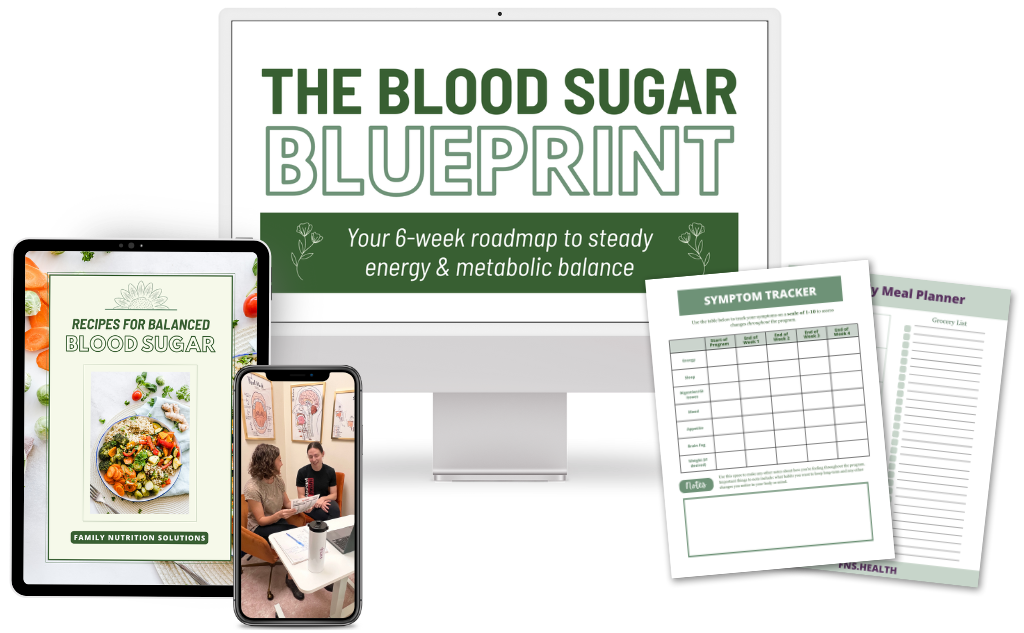
Blood Sugar Blueprint – Group Program
The Blood Sugar Blueprint is our 6-week group program for blood sugar and metabolic stabilization – relevant when insulin resistance is contributing to your elevated blood pressure pattern.
- Six weeks of blood sugar, metabolic, and cardiovascular curriculum
- Weekly live group coaching (virtual or in-person)
- Strategies for blood pressure, sodium balance, and metabolic management together
- Food guides and practical implementation tools
Hypertension Nutrition Counseling is Covered by Most Major Insurance Plans
Hypertension nutrition counseling is widely covered by major insurance plans as Medical Nutrition Therapy for cardiovascular risk – one of the most consistently covered indications across carriers. We verify your specific benefits before your first appointment.

Meritain Health runs under Aetna; UMR runs under UnitedHealthcare. Coverage applies regardless of whether you see a registered dietitian or a Certified Nutrition Specialist (CNS) on our team.
Frequently Asked Questions
What is the DASH diet, and does it work?
The DASH diet (Dietary Approaches to Stop Hypertension) is the most evidence-based dietary pattern for blood pressure reduction. It emphasizes vegetables, fruits, whole grains, low-fat dairy, and lean proteins while limiting saturated fat, sodium, and added sugars. Clinical trials show it reduces systolic blood pressure by 8 to 14 mmHg in people with hypertension – an effect comparable to a single antihypertensive medication. We adapt DASH principles to your specific situation rather than applying a generic protocol.
How much does reducing sodium affect blood pressure?
Sodium and blood pressure have a real relationship – but the effect is more nuanced than most patients realize. Sodium sensitivity varies significantly between individuals. Some people see meaningful blood pressure reduction when sodium intake comes down; others respond minimally. Equally important: reducing sodium too aggressively can itself trigger a blood pressure increase in some patients, as the body compensates through hormonal and vascular mechanisms. The right sodium target is individual – and is only one lever among several. Potassium intake, which directly counters the effects of sodium, often produces as large or larger a blood pressure effect and is consistently underutilized. We identify your specific sodium sensitivity and build a calibrated approach around the full electrolyte and dietary picture.
What makes a registered dietitian the right provider for hypertension nutrition?
Blood pressure management involves the interplay of sodium, potassium, magnesium, fiber, body composition, and overall dietary pattern – clinical territory that requires formal training and licensure. The registered dietitian designation requires completing a graduate degree, a supervised clinical internship, and passing a national board examination. Nutritionist has no equivalent regulated standard in most states. Both registered dietitians and Certified Nutrition Specialists (CNSs) are on our clinical team.
Can I schedule without a referral from my cardiologist or primary care doctor?
Yes – most patients schedule directly. If your plan requires a referral for coverage, we flag that when we verify your benefits before your first appointment.
What happens at the first hypertension appointment?
A 90-minute intake covering your blood pressure history, medications, kidney function, diet, alcohol intake, stress and sleep patterns, and your cardiovascular risk picture. Lab review is part of the second visit.
Is the DASH diet something you'll put me on?
The DASH diet is the most evidence-based dietary pattern for blood pressure and informs our approach – but we adapt it to your actual food preferences and lifestyle rather than handing you a protocol to follow verbatim.
Can hypertension be managed without medication through diet alone?
For Stage 1 hypertension (systolic 130-139 or diastolic 80-89 mmHg), dietary and lifestyle intervention is recommended as the first-line approach before medication in many patients. The combined effect of the DASH dietary pattern, appropriate sodium management, weight loss if indicated, and increased physical activity can reduce blood pressure meaningfully without medication for some patients. For Stage 2 hypertension, medication is typically necessary alongside dietary intervention. We work within your physician’s treatment plan throughout.
If I'm already on blood pressure medication, does diet still matter?
Yes – dietary intervention and antihypertensive medication work additively. Optimizing the dietary picture often allows blood pressure to be better controlled at a given medication dose, and in some cases allows dose reduction in coordination with your physician. Diet also addresses metabolic contributors – insulin resistance, body composition, electrolyte balance – that medication alone cannot fully manage.
High Blood Pressure Responds to Nutrition More than Almost Any Other Condition. Let’s Build the Plan.
Work with a Wilmington NC registered dietitian and nutritionist who specializes in hypertension and cardiovascular nutrition – building a blood pressure management plan from your labs, your medications, and your full dietary picture. Available in-person in Wilmington, NC and virtually across North Carolina.