

Fatty Liver Disease Dietitian in Wilmington, NC
Fatty Liver Disease Has No Medication. Nutrition Is the Treatment.
Metabolic dysfunction-associated steatotic liver disease (MASLD) – formerly called non-alcoholic fatty liver disease (NAFLD) – is now the most common liver condition in the United States. It is driven by insulin resistance, excess calorie intake, and inflammatory dietary patterns. And unlike most chronic conditions, there is currently no approved medication to treat it. Nutrition and lifestyle change are the only evidence-based interventions.
At Family Nutrition Solutions, our registered dietitians in Wilmington, NC specialize in fatty liver disease nutrition – addressing the metabolic drivers, reducing hepatic fat, and building a sustainable plan that prevents progression to fibrosis or cirrhosis. Available in-person in Wilmington, NC and virtually across North Carolina.

Fatty Liver Disease Progresses Silently – but Responds to Nutritional Intervention
A diagnosis of fatty liver disease on imaging or elevated liver enzymes
Elevated alanine transaminase (ALT) or aspartate transaminase (AST) on a routine blood panel, or a fatty liver finding on imaging, is the most common presentation. Most patients are told to “lose weight and avoid alcohol” without specific nutritional guidance. We provide the guidance.
Insulin resistance, type 2 diabetes, or pre-diabetes alongside liver findings
Obesity or significant excess weight with fatty liver
Elevated liver enzymes with significant sugar-sweetened beverage or alcohol intake
Fructose from sugar-sweetened beverages – soda, sweetened coffee drinks, energy drinks, and processed foods with high-fructose corn syrup as a primary ingredient – is directly converted to hepatic fat. Reducing intake from these sources is often the most impactful single dietary change for fatty liver disease.
Metabolic syndrome with liver involvement
Fatty liver disease is a component of metabolic syndrome in many patients. We address the full metabolic picture rather than targeting liver fat in isolation.
Progression concern – fibrosis or steatohepatitis risk
Metabolic dysfunction-associated steatohepatitis (MASH) – formerly known as non-alcoholic steatohepatitis (NASH) – carries significant fibrosis and cirrhosis risk. Patients with more advanced disease benefit from earlier and more aggressive nutritional intervention.
For Fatty Liver Disease, Nutrition is Not the Adjunct. It is the Treatment.
We take fatty liver disease nutrition seriously as the primary intervention it is. We review your liver labs, metabolic panel, and dietary history – and build a plan that addresses the specific drivers of hepatic fat accumulation in your case.
The key drivers – fructose from sugar-sweetened beverages and processed foods, refined carbohydrates, inflammatory fats, and insulin resistance – have specific dietary solutions. We are not giving you a general weight loss plan and hoping the liver improves. We are building a targeted liver-specific nutritional intervention.
Fatty liver disease and metabolic liver nutrition appointments are available in Wilmington, NC and virtually throughout North Carolina.
Fatty Liver Disease Nutrition Support is Most Relevant When:
“My doctor told me I have a fatty liver and to lose weight. Nobody told me how.”
Fatty liver disease nutrition is specific. The types of foods that most drive hepatic fat – particularly fructose from sugar-sweetened beverages and refined carbohydrates – are not the same as general unhealthy foods. We build the plan that specifically addresses liver fat.
“I barely drink alcohol and I was told my liver enzymes are elevated. I did not know you could have a fatty liver without drinking.”
Metabolic dysfunction-associated steatotic liver disease is driven by metabolic factors, not alcohol. It is extremely common and completely addressable through dietary intervention. Many patients are surprised to learn the dietary connection.
“My hepatologist said my liver disease is in early stages and diet is the most important intervention right now.”
Early-stage fatty liver disease is highly responsive to nutritional intervention. This is the right time to take it seriously, and we are the right resource to build the plan.
How We Work Together
Nutrition counseling for fatty liver disease – the only evidence-based intervention for MASLD – targeting the metabolic and dietary drivers of hepatic fat with precision.
Step 1 – Liver and Metabolic History
Your first visit is 90 minutes – we review your full liver history, metabolic labs, dietary pattern, alcohol intake, and any imaging or enzyme trends that have been documented.
Step 2 – Labs Reviewed, Plan Built
At your second visit, we review your liver labs – ALT, AST, GGT, and any imaging findings – alongside your metabolic panel and dietary history, and build your individualized fatty liver disease nutrition plan from what we find.
Step 3 – Liver Enzyme Monitoring
Hepatic fat responds to dietary changes over months – follow-ups track liver enzyme trends, body composition shifts, and metabolic markers, adjusting the strategy as your labs improve.
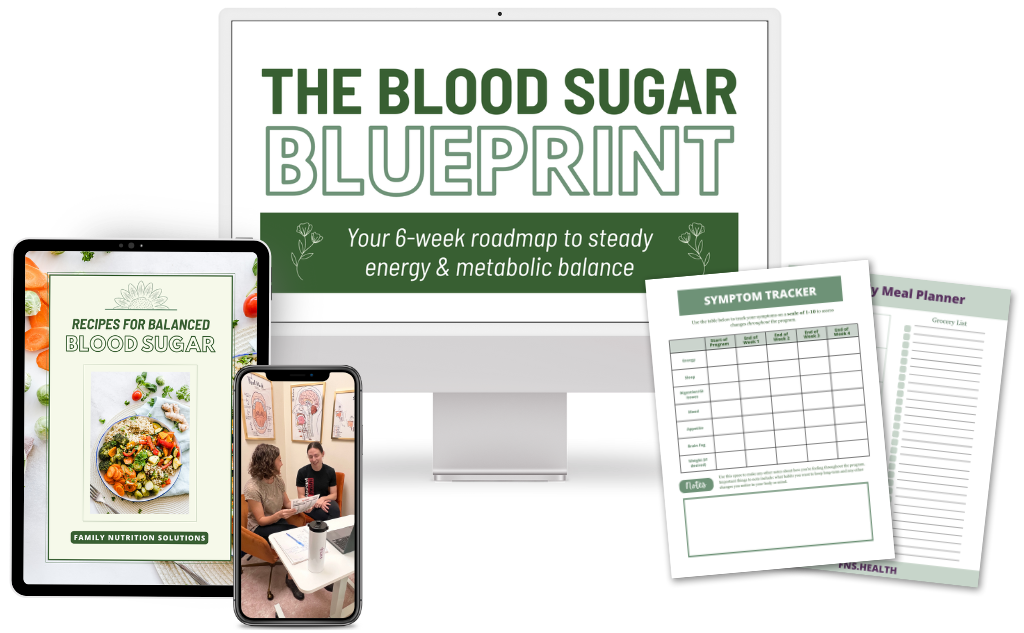
Blood Sugar Blueprint – Group Program
The Blood Sugar Blueprint is our 6-week group program for blood sugar and metabolic stabilization. Because insulin resistance is a primary driver of fatty liver disease, the Blueprint is a strong complement to 1:1 care – or an effective starting point for patients working on the metabolic picture.
- Six weeks of blood sugar, insulin resistance, and metabolic curriculum
- Weekly live group coaching (virtual or in-person)
- Meal timing, blood sugar balance, and anti-inflammatory eating strategies
- Practical recipe guides and food tools
- Optional CGM (continuous glucose monitor) add-on for real-time glucose data
Fatty Liver Disease Nutrition is Covered by Most Major Insurance Plans
Fatty liver disease nutrition counseling is covered by most major plans as Medical Nutrition Therapy for metabolic conditions – we verify your specific benefits before your first appointment.

Meritain Health runs under Aetna; UMR runs under UnitedHealthcare. Coverage applies regardless of whether you see a registered dietitian or a Certified Nutrition Specialist (CNS) on our team.
Frequently Asked Questions
What is metabolic dysfunction-associated steatotic liver disease (MASLD)?
Metabolic dysfunction-associated steatotic liver disease is the accumulation of excess fat in liver cells in patients who drink little or no alcohol. It is driven by insulin resistance, excess caloric intake, and inflammatory dietary patterns. It exists on a spectrum from simple steatosis (fat accumulation without significant inflammation) to metabolic dysfunction-associated steatohepatitis (inflammation and cell damage) to fibrosis and cirrhosis. Nutritional intervention is the primary evidence-based treatment.
What foods are worst for fatty liver disease?
The clearest dietary driver of hepatic fat is fructose from sugar-sweetened beverages and processed foods – soda, sweetened coffee drinks, energy drinks, and packaged items where high-fructose corn syrup is a primary ingredient. This is very different from the fructose found naturally in whole fruit, which comes with fiber, water, and nutrients that change how the body handles it entirely. Whole fruit is not a concern here. Refined carbohydrates, saturated fat, trans fat, and alcohol are additional contributors. We prioritize the changes with the most direct impact on liver fat based on your specific dietary pattern.
Why is a registered dietitian specifically appropriate for fatty liver disease?
Since there is no approved medication for MASLD, nutrition is the primary medical intervention – and that makes credentialed nutrition providers the clinical lead on treatment. Our team includes both registered dietitians and Certified Nutrition Specialists (CNSs). A registered dietitian requires a graduate degree, supervised clinical internship, and national board exam. A CNS is a comparable board-certified credential with equivalent rigor. Nutritionist is not a regulated credential in most states.
Does my hepatologist or gastroenterologist need to refer me first?
No – a referral is not required to schedule. We coordinate with your GI or hepatology team as care begins, and any insurance referral requirements are identified during your benefits review.
What happens at the first fatty liver appointment?
A 90-minute intake covering your liver history, metabolic labs, dietary habits – particularly sugar-sweetened beverage and refined carbohydrate intake – alcohol use, and your current weight and body composition picture. Lab review is part of the second visit.
Do I just need to avoid sugar and alcohol?
Those are important, but the full picture is more specific – fructose from sugar-sweetened beverages and processed foods is the most potent hepatic fat driver, and the type of carbohydrates, overall caloric balance, and anti-inflammatory eating pattern all matter independently. We build from what moves the needle on liver fat.
How much weight loss is needed to improve fatty liver disease?
Clinical trials consistently show that 7 to 10% weight loss reduces hepatic fat, improves liver enzymes, and can reverse fibrosis in many patients. This is not a large amount – for a 200-pound person, it is 14 to 20 pounds. The quality of the diet during weight loss matters as much as the amount lost; Mediterranean-style eating and approaches that stabilize blood sugar and reduce refined carbohydrates show the strongest evidence for liver improvement.
Fatty Liver Disease has no Medication. Nutrition is Your Primary Tool. Use it Well.
Work with a Wilmington NC registered dietitian and nutritionist who specializes in fatty liver disease and metabolic liver nutrition – building a targeted plan from your liver labs and metabolic picture. Available in-person in Wilmington, NC and virtually across North Carolina.