

Registered Dietitians in Wilmington, NC Functional Nutrition for Adults, Kids & Families
Your body is sending signals. We know how to read them.
Root-cause nutrition care for adults, kids, and growing families. In-network with major insurances –
in Wilmington, NC, and virtually across North Carolina.
You’re Not Imagining Your Symptoms
You’ve followed the plans. Tracked everything. Cut the carbs. And something still isn’t working.
That’s not a willpower problem – it’s a missing-information problem. We find what’s actually driving your symptoms.
- ADULT NUTRITION SERVICES
Weight + Hormones
Weight won’t move, energy is gone, labs say normal. PCOS, thyroid, perimenopause, metabolic issues.
- GUT HEALTH NUTRITION
Gut + Digestion
IBS, bloating, constipation, food sensitivities, inflammation – with no clear answers from standard care.
- PEDIATRIC NUTRITION SERVICES
Kids + Families
Picky eating, growth concerns, constipation, T1D management – for newborns through teens.
Insurance May Cover Nutrition Counseling
Many insurance policies include Medical Nutrition Therapy or preventive nutrition benefits. Coverage varies based on your specific policy, diagnosis, referral requirements, deductible, copay, coinsurance, visit limits, and other plan rules.




Our team will review the information available after you schedule and complete the required intake forms.
- PERSONALIZED NUTRITION CARE
Work With Registered Dietitians Who Takes Your Symptoms Seriously
You won’t have to figure this out on your own anymore.
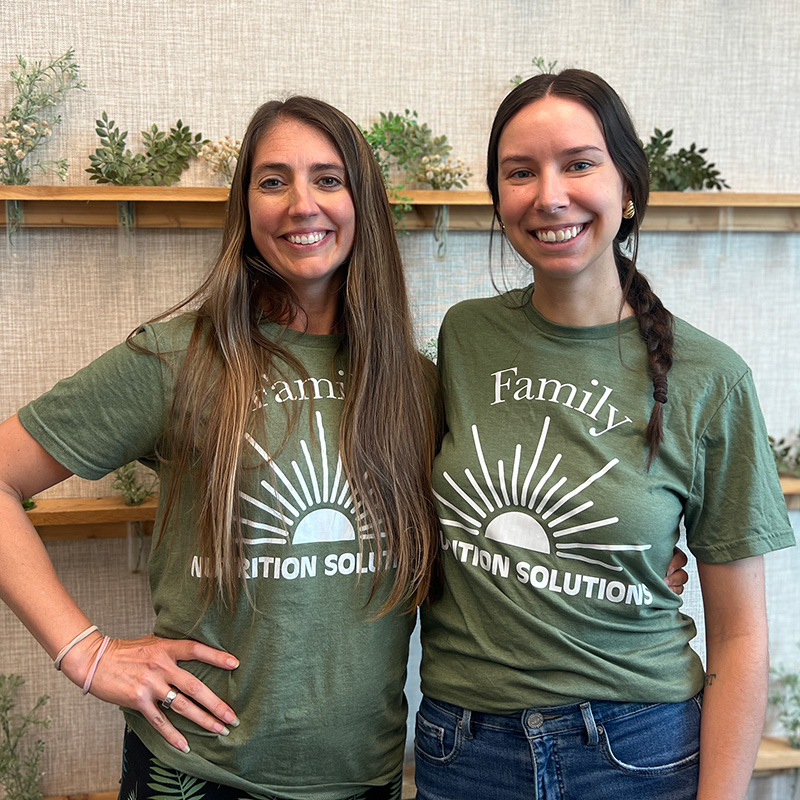
Our team of registered dietitians takes a root-cause approach – looking at your full picture, not just your labs. You leave every single visit with a clear plan.
- Registered Dietitians
- Functional Nutrition Trained
- Insurance-Based Care
- In-Person + Virtual
Not sure where to start? Find the right path in 2 minutes.
Answer a few questions and we’ll point you to the right care – and a free resource to take with you.
- THE BLOOD SUGAR BLUEPRINT
Your Blood Sugar Lab Panel
The numbers worth knowing and what “optimal” actually looks like.
- FOR PARENTS
Child Nutrition Quiz
Picky eating, growth concerns, constipation, T1D.
- FOR PHYSICIANS
Refer a Patient for Registered Dietitian Nutrition Counseling
Review our process, download the guide, send your first referral.
Three Steps to Begin Nutrition Counseling
1. Schedule your first appointment
90-minute deep dive – your symptoms, history, labs, and goals. In person in Wilmington or virtual across NC.
2. Get your personalized nutrition plan
Built around your actual body – not a template. Functional testing ordered when the picture isn’t clear enough.
3. Make consistent progress with ongoing support
Follow-up visits, group accountability, and a clear path forward. 80% of patients see significant symptom improvement by visit 4.
Stop Guessing About Your Nutrition and Start Getting Answers
The longer symptoms go unaddressed, the harder they are to reverse.
Your first appointment is the step that changes everything.
Choose the Nutrition Support That Fits Your Needs
- FOR ADULTS
1:1 Nutrition Counseling
Root-cause approach for weight, hormones, gut health, and chronic symptoms. 90-min first visit, 45–60 min follow-ups. Often covered by insurance.
- FOR ADULTS
Functional Testing
GI MAP, MRT food sensitivity, HTMA, and advanced blood chemistry. When standard labs say normal – but you don’t feel it.
- PEDIATRIC
Pediatric Nutrition Care
Newborns through teens. Picky eating, growth, constipation, food sensitivities, and T1D. Often covered by insurance.
- SIGNATURE GROUP PROGRAM
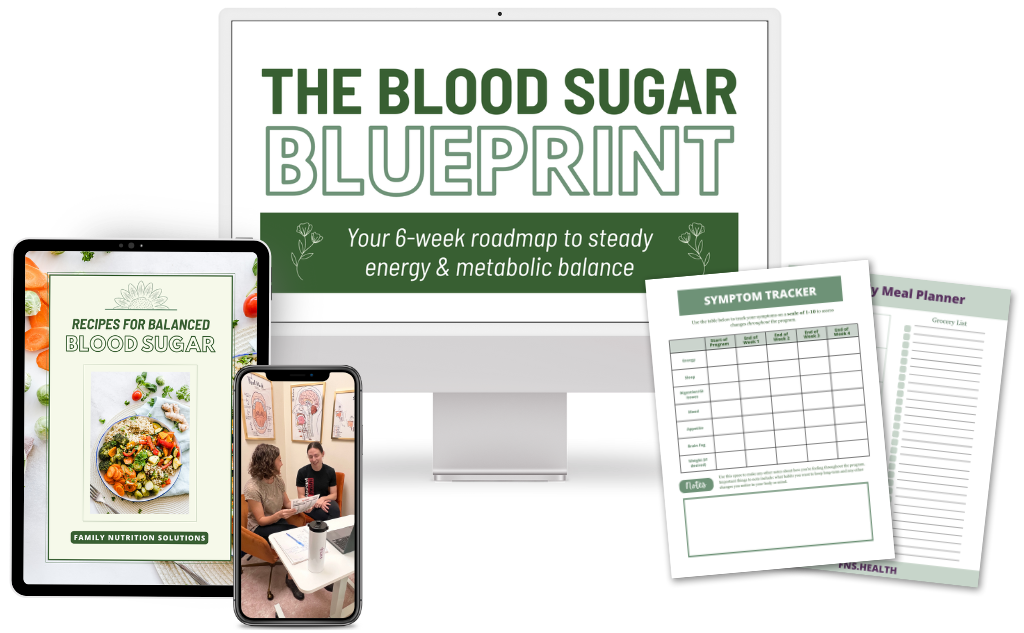
Blood Sugar Blueprint
Our 6-week group program for women ready to stabilize blood sugar, end energy crashes, and feel in control of cravings and weight – without extreme dieting.
What’s included:
- 6-week blood sugar + metabolism curriculum
- Weekly live coaching sessions (virtual or in-person)
- Meal timing, hormone, and stress strategies
- Recipe guides, tracking tools + snack ideas
- Optional CGM add-on for personalized data
- CONDITIONS WE SUPPORT
We specialize in what standard care misses
Each condition has its own page – with real answers to the questions you’ve been Googling.
- General Nutrition + Wellness
- Gut Health + IBS
- IBD + Crohn's + Colitis
- GERD + Acid Reflux
- Blood Sugar Management
- Pre-Diabetes
Real Results From Personalized Nutrition Care
Dee S.
Steven R.
Justine C.
J.
- FREE RESOURCES
Not ready to book? Start here.
Download a free guide matched to where you are – and get a clear next step, no appointment needed.
- NUTRITION INSIGHTS
Real answers, delivered weekly.
Join families and patients getting practical nutrition guidance – plus first access to new resources, quizzes, and programs.
Common Questions about Dietitians, Insurance, Testing, and Appointments
Does insurance cover nutrition counseling?
Yes – BCBS, Aetna, Cigna, UnitedHealthcare, Meritain, and UMR. Many plans cover nutrition counseling under preventive care – meaning no co-pay. We verify your benefits before your first visit so there are no surprises.
What does the first appointment look like?
90 minutes. We do a full intake – your symptoms, health history, labs, daily routine, and goals. You’ll need to complete intake forms 48 hours before your visit. In-person in Wilmington or virtual across NC.
Do I have to do functional lab testing?
No – functional testing is optional. We recommend it when the clinical picture isn’t clear enough from intake and lifestyle changes alone.
What's the difference between 1:1 and group?
Group coaching (Blood Sugar Blueprint) is a 6-week structured program with weekly sessions, education, and community accountability. Often faster results for blood sugar and weight. 1:1 is more individualized and flexible.
Do you see children? How young?
Yes – newborns through high school. We support infant feeding, baby-led weaning, picky eating, growth concerns, constipation, food sensitivities, and T1D management.
Can you work with my child's medical team?
Yes. We coordinate with endocrinologists, GI specialists, and primary care physicians. We support – not replace – your child’s medical care.
What if I've already tried everything?
That’s exactly who we’re built for. Most of our patients find us after years of trying – because we look deeper than standard care does. We’re not going to tell you to eat less and exercise more.
- For Referring Physicians
Partner With Us
We work alongside your care plan – not outside it. Patients receive structured, individualized nutrition care and leave every visit with a clear plan. We accept all major insurance and see patients in-person and virtually across NC.
What conditions do you see?
Adults + pediatric. Weight, GI, hormones, T1D, blood sugar, food allergies, thyroid, and chronic disease. All major insurance accepted.
How do I refer a patient?
The referral guide walks through our process and how to reach us securely. We follow up with patients promptly once a referral is received.
Will you coordinate with my office?
Yes – we support your treatment plan and can communicate outcomes back to your team on request.