
You’ve Added Fiber to Your Diet, So Why Are You Still Constipated?
Jun 16, 2026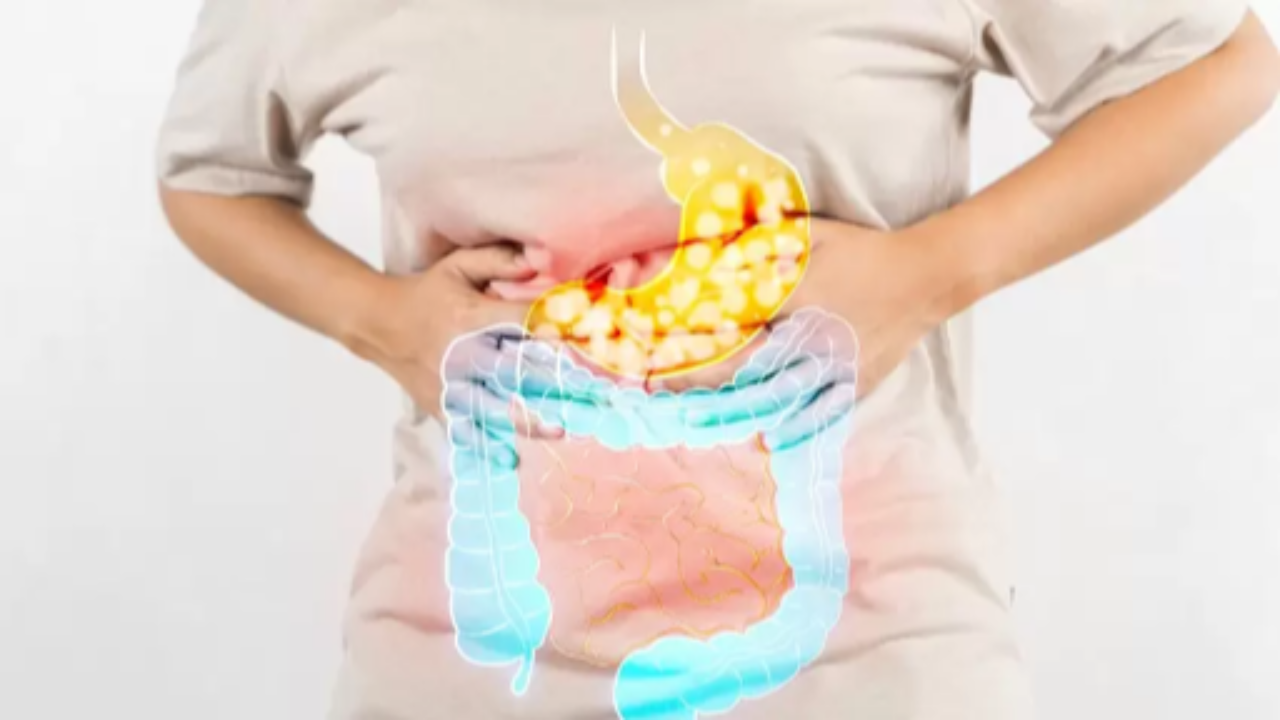
You've added fiber, increased your water intake, and tried the usual constipation advice. Maybe you're eating oatmeal, chia seeds, vegetables, and even taking a fiber supplement. Yet you're still having hard stools, skipping days between bowel movements (yes, even if just a few), feeling bloated after meals, or struggling with that uncomfortable feeling that food just isn't moving through your system.
When constipation persists despite doing the "right" things, it's easy to wonder if your body is just broken. But often the issue isn't a lack of fiber, it's that digestion isn't working efficiently in the first place.
You shouldn't have to white-knuckle your way through daily bloating, irregular bowel movements, or the constant feeling that food is just sitting there.
What Counts as a Healthy Bowel Movement?
One of the biggest misconceptions we see is that constipation only means not having a bowel movement for several days. In reality, many people are technically having bowel movements but are still constipated.
Healthy bowel function generally looks like:
- 1-3 bowel movements per day
- Minimal straining
- Feeling like the bowel movement is complete
- Soft, formed stools that are easy to pass
- Consistent bowel habits without relying on laxatives, coffee, or urgency
If you're regularly skipping days between bowel movements, straining, experiencing bloating, or feeling like you haven't completely emptied your bowels, your digestive system may not be functioning as efficiently as it should.
The Bristol Stool Chart: What Your Stool Can Tell You
The Bristol Stool Chart is one of the simplest tools we use to assess digestive health because stool consistency often provides valuable clues about what's happening throughout the digestive tract.
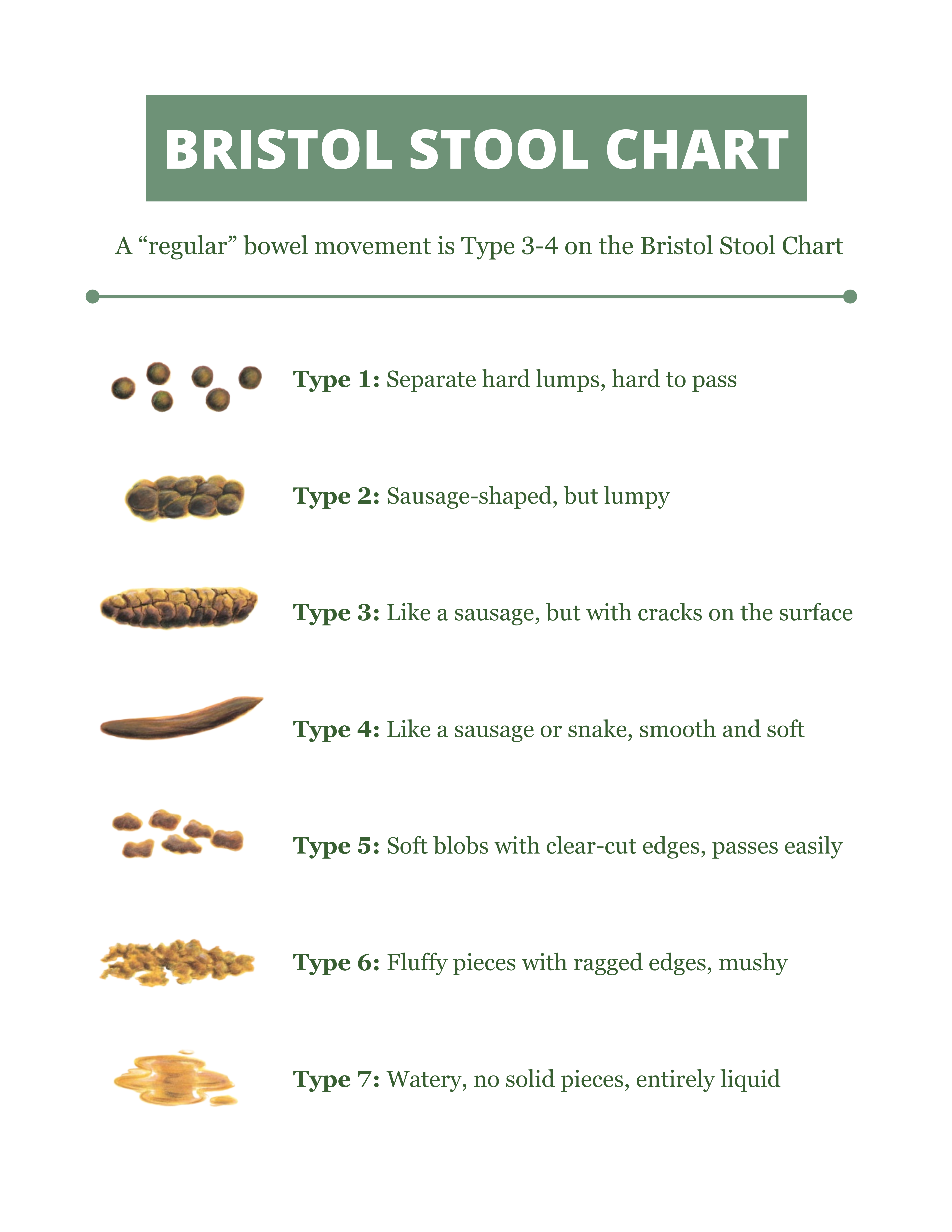
The Bristol Stool Chart can help identify patterns over time and provide important clues when evaluating symptoms like constipation, bloating, gas, reflux, abdominal discomfort, or irregular bowel habits.
Constipation isn't just about frequency. The consistency, ease of passage, and completeness of a bowel movement are equally important indicators of digestive health.
Common Causes of Constipation
Constipation is often treated as a simple fiber problem, but digestion begins long before food reaches the colon. If constipation is chronic, especially when it occurs alongside bloating or reflux, we consider several root-cause factors:
Low stomach acid
→ Can be associated with bloating after meals, early fullness, belching, reflux, undigested food in stool, and constipation. This is what we see the most often at Family Nutrition Solutions.
H. pylori infection
→ Helicobacter pylori is a common stomach bacterium that can interfere with normal stomach acid production and irritate the stomach lining. This is one reason we often use functional testing such as the GI-MAP to evaluate for H. pylori and other microbial imbalances when symptoms are persistent.
Long-term PPI use
→ Proton pump inhibitors (PPIs) can be helpful and appropriate in certain situations, but long-term use may contribute to reduced stomach acid, altered gut microbiome balance, nutrient malabsorption, and ongoing digestive symptoms in some individuals.
Insufficient digestive support
→ Digestive enzymes, bile flow, stomach acid signaling, and meal composition all work together. If one piece is impaired, the entire process can slow down.
The "healthy diet but worsening symptoms" pattern
→ If you feel worse when you’re eating healthier, this one might be you! Increasing fiber, prioritizing raw vegetables, or switching away from processed foods seems like you’re making the healthier choice, but when it happens too quickly, it can cause discomfort. Adding more fiber to a system that isn't moving well can actually increase bloating and discomfort.
Stress and the Nervous System
→ Digestion stops working when you’re in fight-or-flight mode. Chronic stress can impact stomach acid production, digestive enzyme release, gut motility, and bowel regularity. Many people are surprised to learn that their constipation may be partially driven by a nervous system that is constantly stuck in "go mode."
Practical Solutions for Constipation
Before the meal even starts
Most digestion problems begin before food ever hits your stomach. Eating in a rushed or stressed state suppresses stomach acid and digestive enzyme production — the very things your body needs to break food down efficiently.
Try eating in a calm environment, chewing thoroughly, and including bitter foods like arugula, radicchio, dandelion greens, or a squeeze of lemon before meals. Bitter taste receptors in the mouth and gut actually trigger digestive secretion, which is why bitters have been used as a digestive aid for centuries. This is one of the simplest, most underused tools for sluggish digestion.
Build a meal that moves
A high-fiber snack or supplement alone won't do much if the rest of the meal isn't balanced. For regular bowel movements, we generally aim for meals that combine fiber (vegetables, fruit, legumes, whole grains if tolerated), protein, and healthy fats like olive oil, avocado, nuts, or seeds.
Fat and protein both stimulate the gastrocolic reflex — the signal from your stomach to your colon that it's time to move things along. Fiber without fat and protein is like pressing the gas with no fuel in the tank. A lentil soup with olive oil and a side salad will do more for motility than a fiber supplement added to a low-fat, low-protein meal.
Support movement after eating
Your gut has its own muscular system, and it responds to physical movement. A 10–15 minute walk after meals has been shown to meaningfully improve gastric emptying and reduce bloating — not because you're "burning it off" but because movement activates the migrating motor complex, the wave-like contractions that push food through your digestive tract.
Rethink your bathroom setup
The human body was designed to squat, not sit. A standard toilet seat puts the colon in a position that actually makes it harder to fully empty. Using a Squatty Potty or toilet stool to elevate your feet changes the angle of the rectum and reduces the need to strain, which over time reduces the risk of incomplete emptying and the uncomfortable "still there" feeling many people describe.
Create a consistent morning window
Your gut runs on a circadian rhythm just like the rest of your body. The gastrocolic reflex is strongest in the morning, especially after eating and moving. A consistent morning routine — eating breakfast, taking a short walk, and giving yourself time before rushing out — works with your body's natural timing rather than against it.
What happens when constipation goes unaddressed
Constipation isn't just an inconvenience. For a lot of people, it quietly takes over daily life in ways that are hard to put into words.
It's the bloating that makes you feel like none of your clothes fit right by noon. It's the embarrassing gas that follows you into social situations and makes you dread being in public. It's the low-grade anxiety of waking up every morning and doing a mental calculation about whether today is the day your body finally cooperates and the frustration when it doesn't.
You shouldn't have to plan your social calendar around your digestion. You shouldn't have to turn down a dinner out or feel self-conscious in your own body because of something that so many people write off as "just how your stomach is."
When chronic constipation goes unaddressed, it can also compound. Prolonged transit time means waste sits in the colon longer, increasing reabsorption of toxins the body was trying to eliminate. It can worsen gut dysbiosis, drive nutrient malabsorption, and create a cycle that becomes increasingly harder to break without real support.
How We Approach Constipation at Family Nutrition Solutions
Most conventional appointments aren't set up to investigate constipation the way it deserves. You might leave with a recommendation to add more fiber, a prescription for a laxative, or a referral if things get serious — but the underlying question of why your digestion is struggling rarely gets answered in a 15-minute visit.
Our approach is different. During 1:1 appointments, our dietitians look at the full picture: diet, meal patterns, stress, sleep, medications, nutrient status, and your symptom history. When appropriate, we use functional testing like the GI-MAP to evaluate for H. pylori, microbial imbalances, and other contributors that don't show up on standard labs.
We also use two simple at-home tests in practice every day — one to assess stomach acid production and one to measure GI transit time, which tells us how long food is actually taking to move through your system.
→ Curious about those at-home tests? Download our free gut guide to learn how to do them, what your results mean, and what to do next based on what you find.
The goal isn't to chase symptoms one at a time. It's to build a personalized plan that improves your digestion, bowel regularity, and overall health. You're not just managing constipation, you're actually resolving it.
Ready for Answers to Your Constipation?
You don't have to figure this out by trial and error. If you're eating more fiber and still constipated, your body may be telling you the problem is deeper than fiber alone.
Request an appointment with one of our dietitians to investigate the root cause of your constipation and create a plan that fits your life.
Prefer the DIY approach? Download our free gut guide to get started.